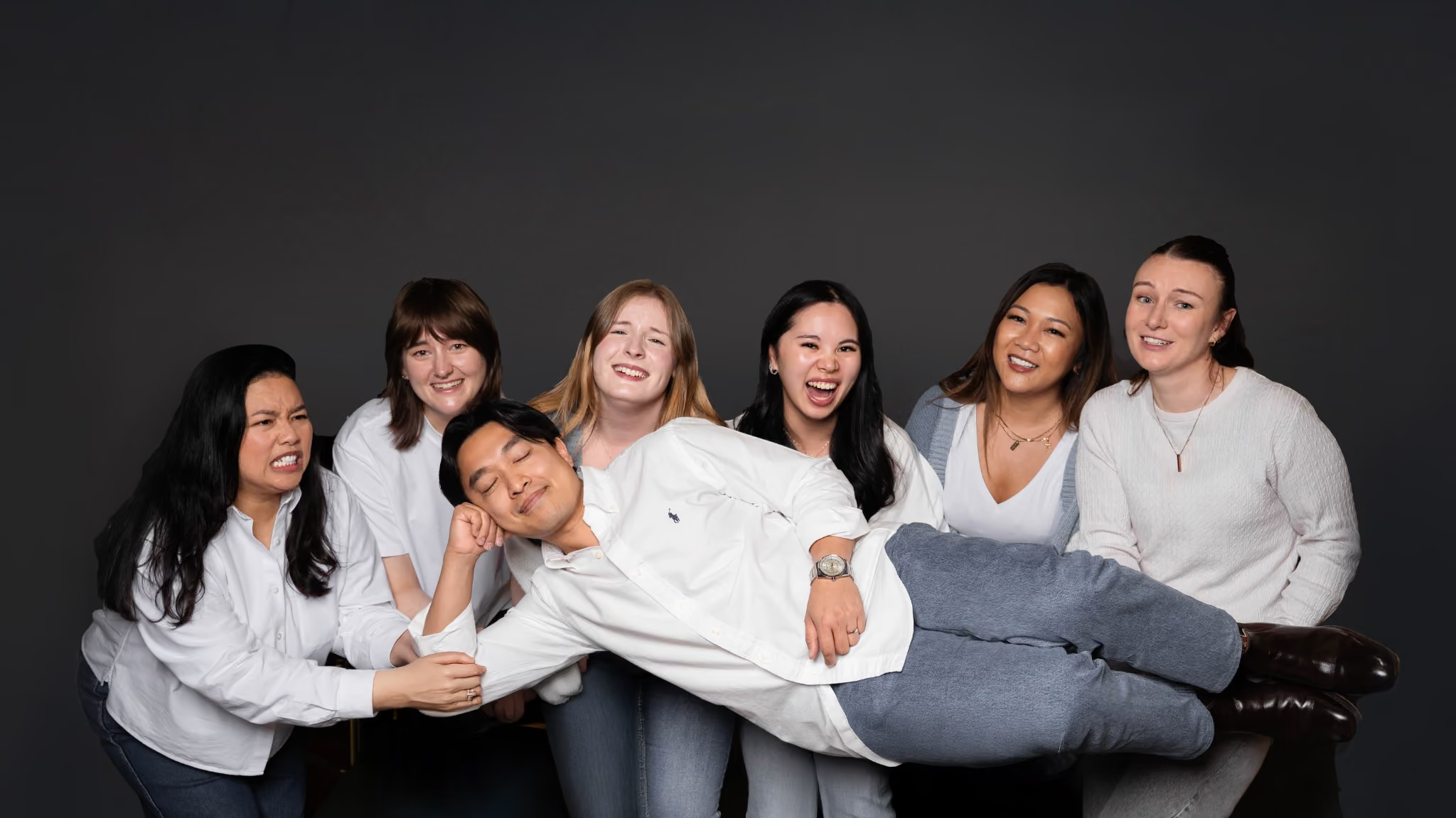
Meet a team that starts with the person
We get to know each person's strengths, identity, history and preferences before deciding what support might help.
Our work respects neurodivergent ways of thinking and communicating, and older people's dignity, life history and choices.
The people behind the service
Choose a person to read about their experience, approach and interests. Their full profile opens here on the page.
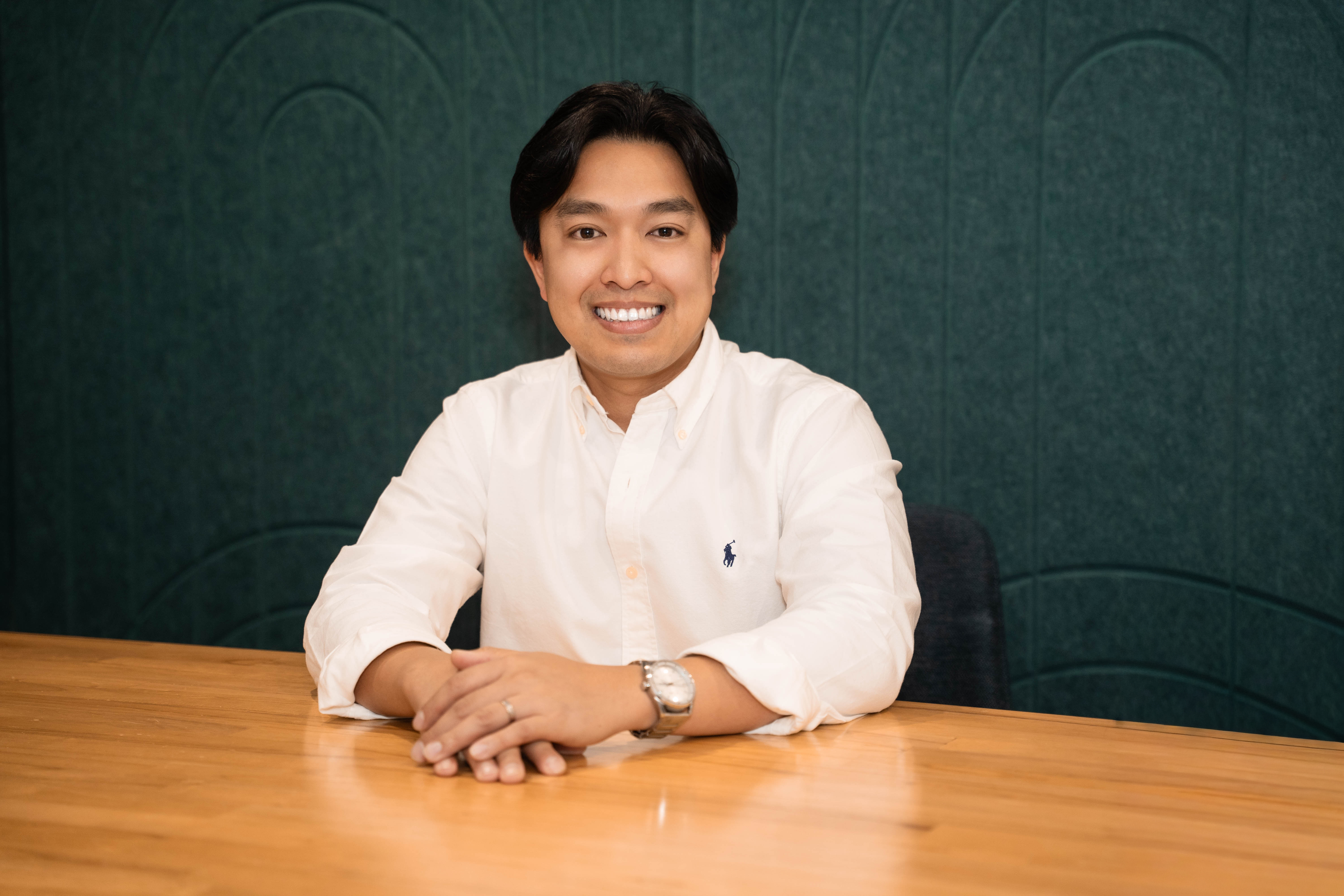 AlexDirector and Occupational TherapistClinician mentoringLoves anime+
Alex is an occupational therapist and the founder of Meaningful Activities. He believes that occupational therapy should start with understanding what matters to people and finding practical ways to support their participation in everyday life. His approach is grounded in recognising people's strengths, understanding their environments and working collaboratively to create opportunities for meaningful participation, rather than focusing solely on individual challenges.
Alex has experience supporting children, young people and adults with diverse developmental, neurological and psychosocial needs. He enjoys working alongside individuals, families, educators and support networks to explore how everyday routines, environments and relationships can support independence, confidence and participation. His clinical experience has shaped his belief that meaningful progress happens when therapy extends beyond individual sessions and becomes part of everyday life.
Alex founded Meaningful Activities to bring this philosophy into practice. Alongside his clinical work, he is passionate about mentoring occupational therapists, developing future leaders and creating a workplace where clinicians feel supported to grow. He values curiosity, creativity and reflective practice, and enjoys exploring new ways for occupational therapy to make a difference through collaboration with families, schools and communities.
Outside of work, Alex enjoys strength training, running, watching anime and listening to Japanese music. He loves learning new things, exploring different ideas and finding inspiration that he can bring into both his clinical practice and leadership.
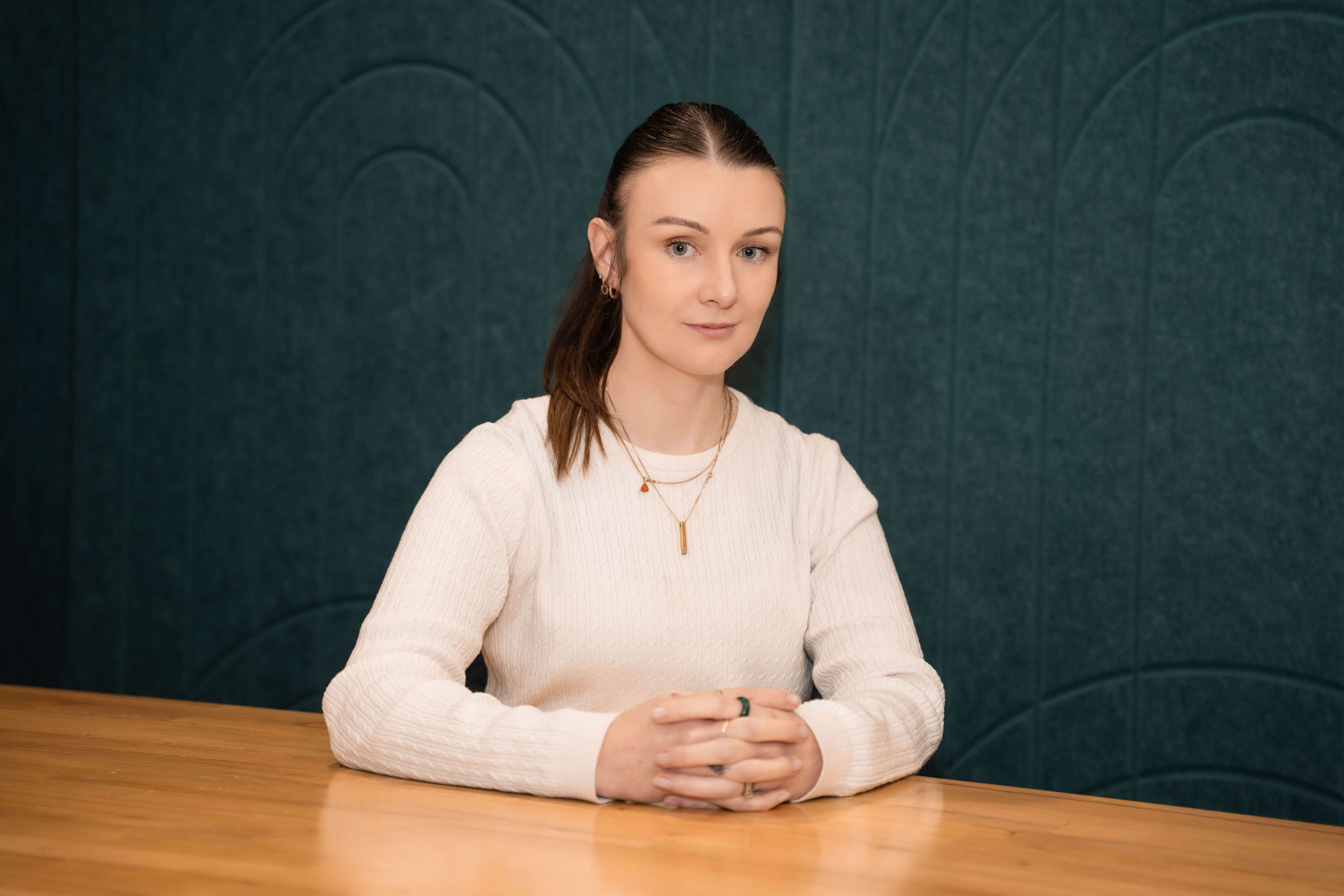 ShaeOffice Manager, Projects Coordinator and Allied Health AssistantEarly years experienceLoves family time+
Shae completed a Certificate IV in Allied Health Assistance at TAFE SA in 2022 and brings around a decade of early years education experience.
As an Allied Health Assistant, she helps people practise activities that an occupational therapist has assessed, planned and delegated. She brings creativity, energy and a calm ability to tune in to what a person needs. Clinical assessment and changes to the plan remain the occupational therapist's responsibility.
Outside work, Shae enjoys spending time with her young family.
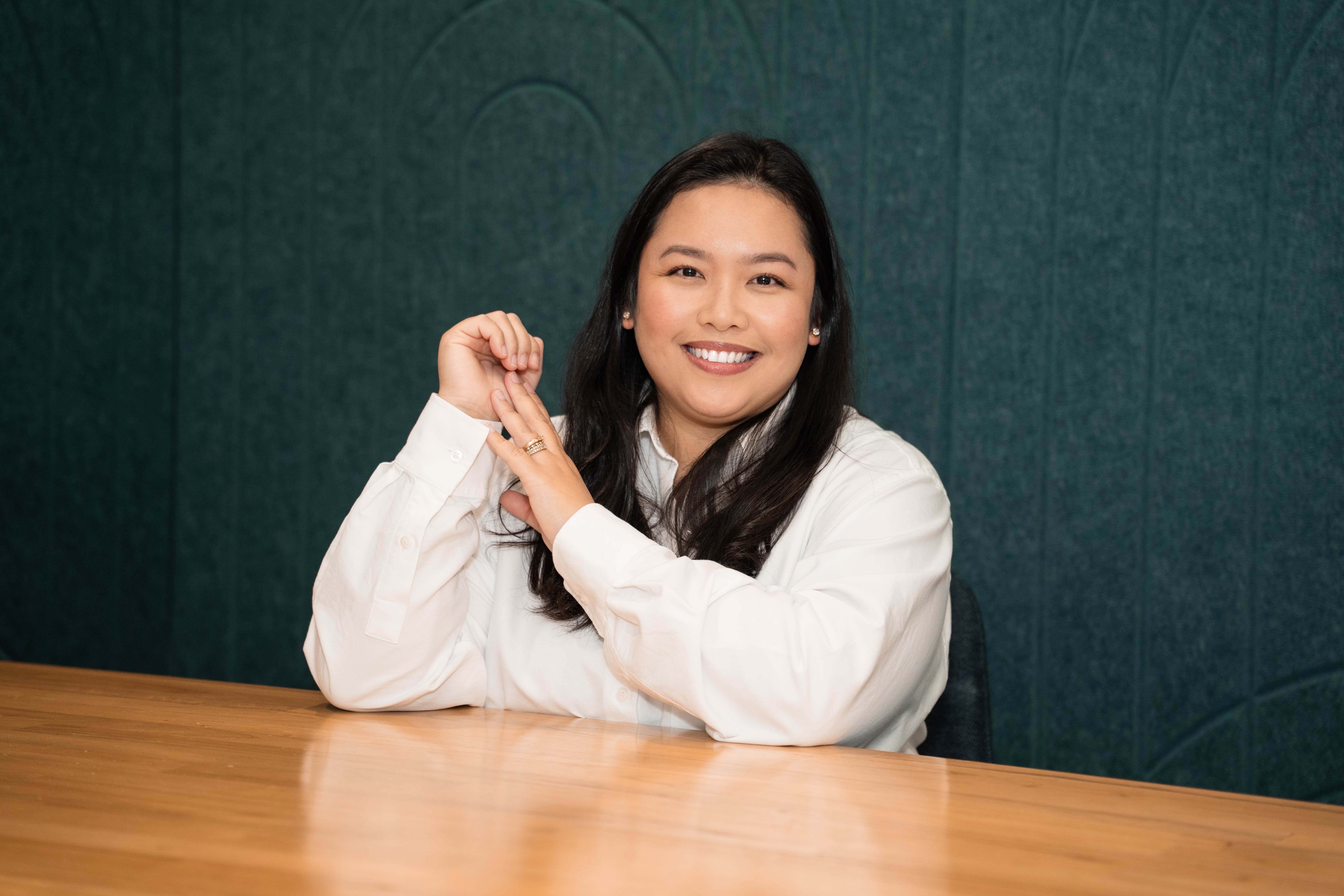 CarolSenior Occupational Therapist and Clinical SupervisorFormer OT lecturerMusicals & singing+
Carol has practised as an occupational therapist since 2011 across clinical, academic and community settings. Her experience includes acquired brain injury, complex neurological conditions and autism across the lifespan.
Her previous work as an occupational therapy professor supports the clear way she shares knowledge with clients, families, students and colleagues. She values evidence, creative problem solving and approaches that respect each person's background, needs and strengths.
Outside work, Carol enjoys Adelaide's parks and beaches, cooking Asian food, musicals and singing.
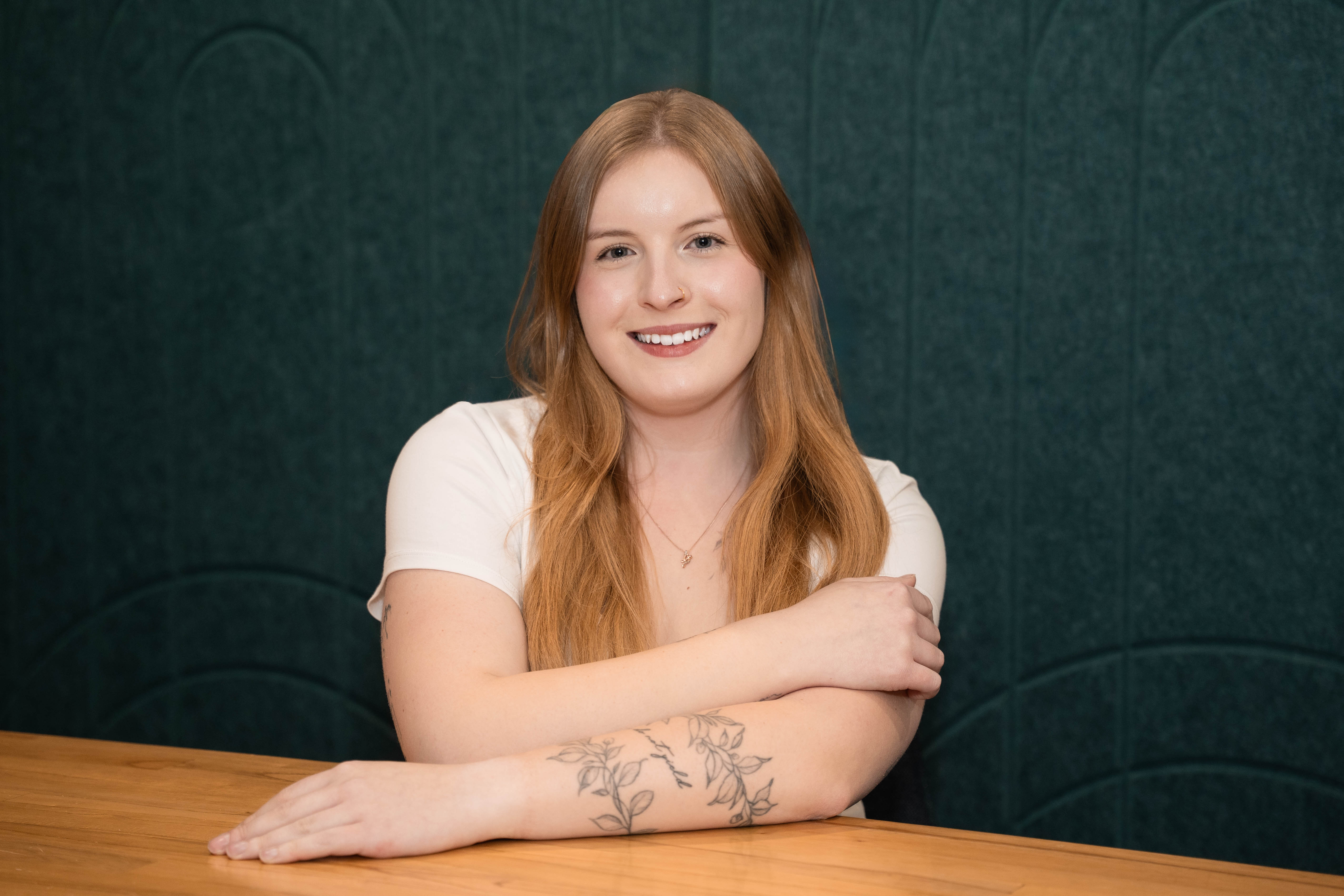 AmberOccupational TherapistOT Honours graduateCoffee lover+
Amber completed a Bachelor of Occupational Therapy with Honours at the University of South Australia in 2025. Her training and work have included hospitals, schools, aged care and private practice.
She has experience supporting children and teenagers with daily living, sensory regulation, movement and executive functioning. Amber values trauma-informed, neurodiversity-affirming work and building a space where the person and family feel safe to take part.
Outside work, she enjoys reading, coffee, the gym, walking her dog, highland cows, sharks and horror.
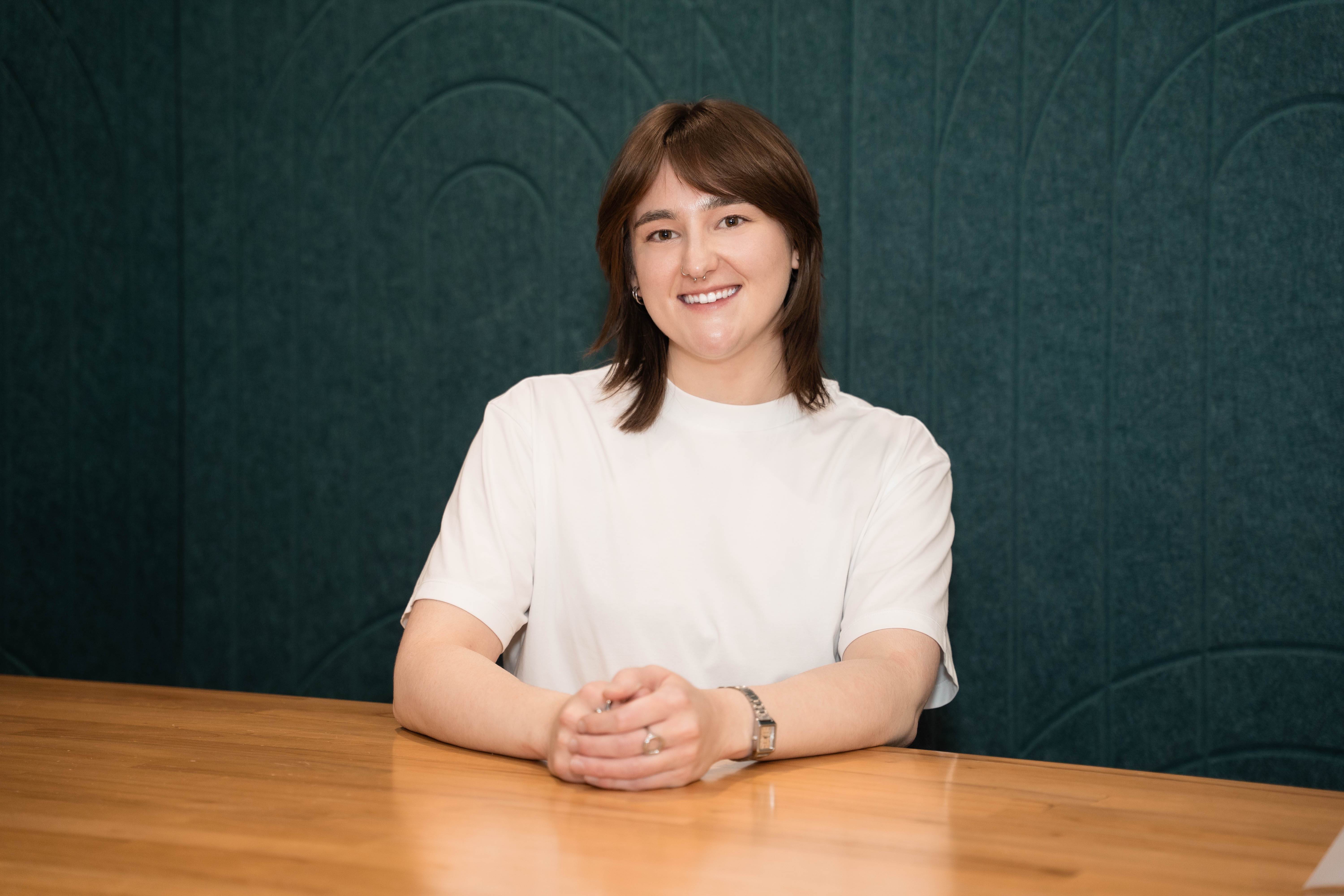 EmmaOccupational TherapistFormer Allied Health AssistantPremier League Netball+
Emma completed a Master of Occupational Therapy at Flinders University and began practising in 2026. Before joining the team as an occupational therapist, she completed a placement with Meaningful Activities and worked with the practice as an Allied Health Assistant.
Her training included school, community mental health and allied health settings. She has a particular interest in emotional and sensory regulation, executive functioning and daily living skills, including within psychosocial and neurological contexts.
Outside work, Emma plays Premier League netball and enjoys cafes, thrift shopping, reading, live music, hiking, travel and baking sourdough.
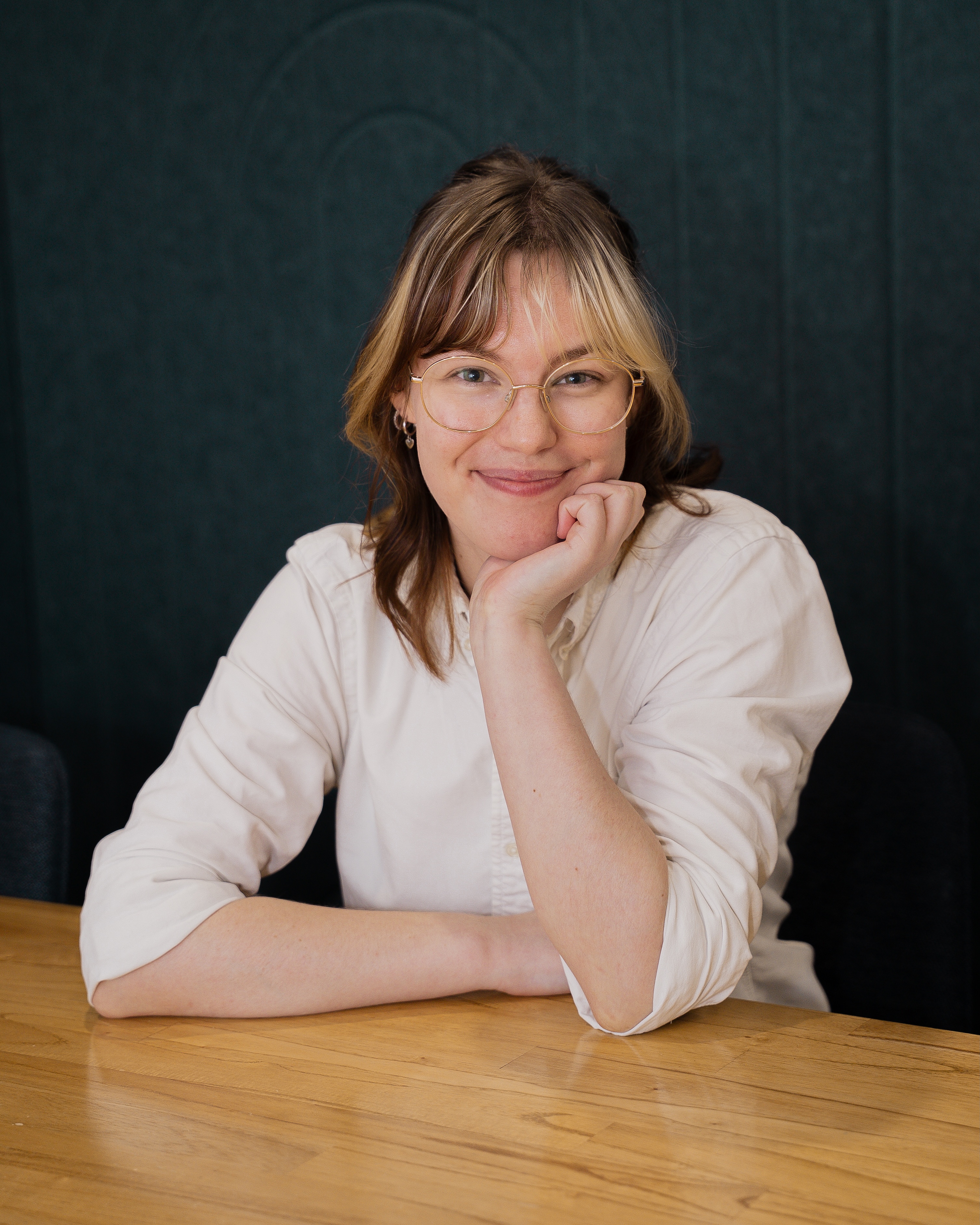 Charlie MirandaOccupational TherapistTeaching & workshopsLoves fantasy & sci-fi+
Charlie is a neuroaffirming occupational therapist who brings their lived experience as an AuDHD person to every part of their practice. They believe all neurodivergent people can thrive when the environments around them adapt to fit, rather than the other way around. Their work centres on understanding each person’s unique way of experiencing the world and supporting clients and families to understand the unique strengths of neurodivergent brains.
Charlie completed their Bachelor of Occupational Therapy (Honours) at the University of South Australia in 2023 and has been practising since 2024. Their placement experience included supporting young people aged 12–25 experiencing severe mental health challenges, including depression, anxiety and early psychosis. This included providing case management support and co-facilitating an LGBTQIA+ inclusivity group, a social games group, a sensory exploration group and an ACT group. They also completed a placement with an inpatient mental health rehabilitation service, helping staff build LGBTQIA+ safe practices with a focus on trans healthcare. Charlie went on to work in paediatric private practice. There they designed and supported social groups built around Dungeons & Dragons, Minecraft and board games, while managing a caseload of neurodivergent young people aged 2-18 and supporting neuroaffirming practice development.
Charlie has experience supporting autistic, ADHD and AuDHD young people, including LGBTQIA+ people, and those with PDA profiles, complex and acute trauma experiences, and mental health challenges. They are skilled in Functional Capacity Assessments, comprehensive reports and NDIS advocacy, and offer parent coaching to help families feel confident understanding and supporting their child. Charlie is also passionate about upskilling and supporting allied health professionals and educators. They have taught paediatric content and supported students at Adelaide University, and have developed neuroaffirming workshops for allied health professionals and organisations.
Outside of work, Charlie is a big fantasy and sci-fi reader who loves cosy organising games and horror games (though strictly from a distance). Learning as much random information and going down Internet rabbit holes is a favourite pastime, and they have an assortment of random facts about sea creatures and insects to show for it. Charlie's pastimes also include trying to befriend any dog they come across.
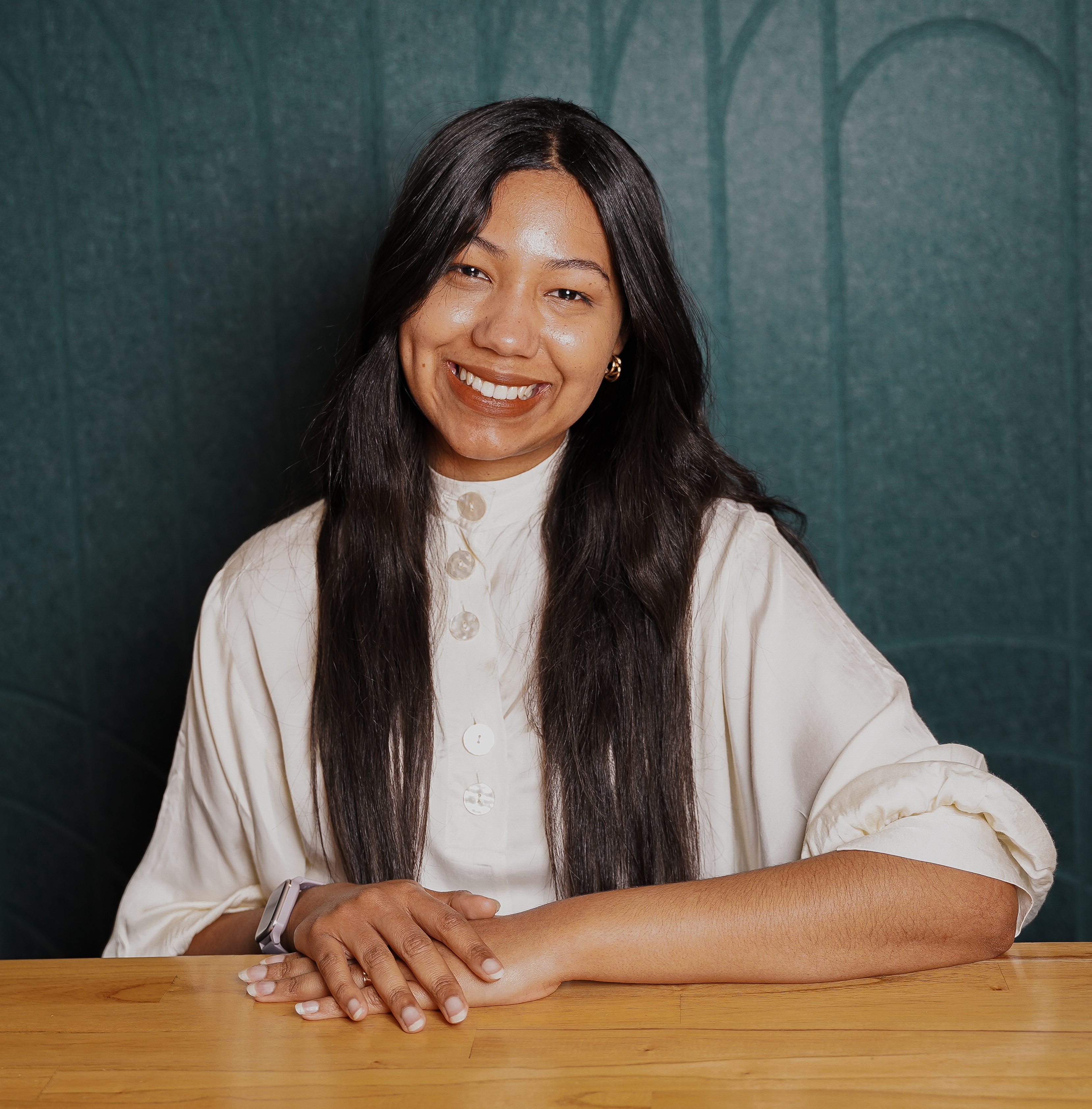 Elida LimaOccupational TherapistFamily & educator collaborationReading & coastal walks+
Elida is an occupational therapist with over five years of experience supporting children with developmental and sensory needs and helping them take part in everyday activities. Originally trained in Brazil, she brings a strong understanding of child development, play and how children engage with the world around them. She believes therapy should consider the whole person: their strengths, interests, routines and the environments in which they live, learn and play.
Her experience includes supporting fine and gross motor skills, everyday activities and sensory differences, as well as using play to encourage learning and participation. She has worked closely with families and teams of health professionals, sharing practical strategies to support children beyond therapy sessions.
Throughout her career, Elida has undertaken further professional development in paediatric assessment, early intervention, child development and family collaboration. Her work has also included coordinating occupational therapy services to help children and families work towards their goals.
At Meaningful Activities, Elida brings together her previous clinical experience and an occupation-centred approach. This means looking at the activities that matter to a child and how their abilities, motivations, routines and surroundings affect their participation. She is particularly interested in working with children, families and educators to develop strategies that fit naturally into everyday life at home, school and in the community.
Outside work, Elida enjoys learning new things, reading and spending time outdoors. Since moving to Adelaide, she has especially enjoyed exploring the local beaches and coastline.
Our Values
These five values shape how we work with you and the people you choose to involve.
Courage
If a plan is not working, we talk about it and raise the difficult questions.
Collaborative Spirit
We listen to you and, with your consent, work with the people you want involved.
Adaptability
If a strategy does not fit your day, we look for a more workable approach.
Respect
Your identity, communication, challenges, history and preferences are part of every decision.
Proactivity
We notice when needs change, raise concerns early and work with you on the next practical step.
What guides our work?
We start with the person, then look at what they want to do and what support fits their life.
Start with the person
We learn how the person communicates, what matters to them, what they already do well and how they prefer to be supported.
Work from strengths without ignoring difficulty
Strengths give us something real to build from. We also name the barriers, effort and support needs clearly when these affect everyday life.
Respect neurodiversity, identity and life history
We do not treat one way of thinking, communicating, moving or organising daily life as the only correct way. Support should protect dignity and make room for the person's identity, culture, history and preferences.
Understand the activity in context
We look at what the person wants or needs to do, what the activity requires and how the environment or support around them changes the experience.
Explain the reason for the plan
The person should understand what we are trying, why it may help and how we will decide what happens next.
Why “Meaningful Activities”?
In occupational therapy, an occupation is an everyday activity or role. It could be getting dressed, preparing a meal, learning, working, playing or taking part in the community.
Meaningful does not mean every activity must feel inspiring. It means the activity has a real place in the person's life. And when we can make the process more engaging along the way, even better.
We learn by doing, noticing and reflecting together
Our team development is practical. We try activities, explore real environments and compare what changes when instructions, materials, space, timing or support change.
This hands-on learning sharpens the questions we ask in practice. The photograph shows staff taking part in a group activity, not a client session or evidence of a treatment outcome.
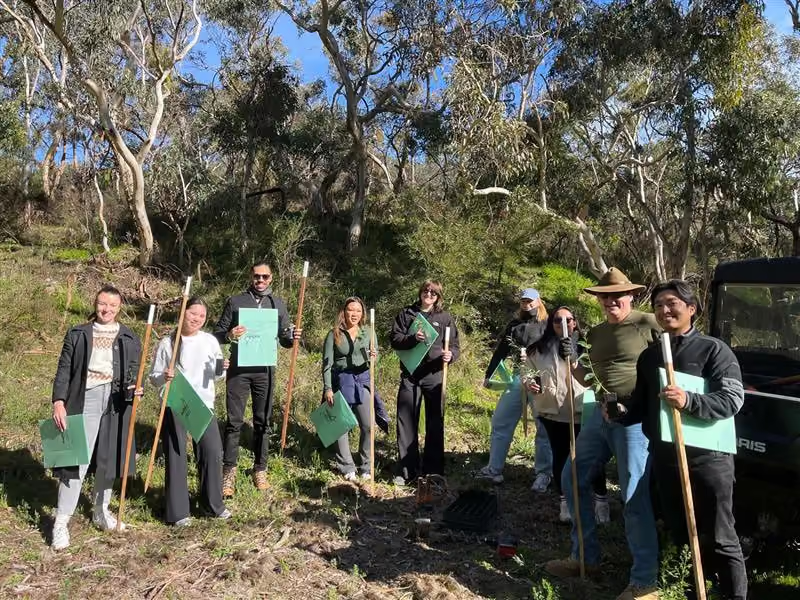 Our team learning together outside the clinic.
Different roles, different responsibilities
Knowing who does what helps you understand who is involved in your support.
01
Occupational therapist
An occupational therapist can assess, use clinical reasoning, develop or change a therapy plan, make recommendations and review whether the plan remains suitable.
02
Allied Health Assistant
An Allied Health Assistant can carry out defined activities that an occupational therapist has assessed and delegated. The supervising OT remains responsible for the clinical plan.
03
Mentor
A Meaningful Activities mentor is an occupational therapy student who receives guidance, supervision and professional development through the OT team. Mentoring is practical, goal-directed support. It is not occupational therapy.
Ready to get started?
Tell us what the person wants help with and any communication, identity, cultural or practitioner preferences that matter. We consider those alongside clinical fit, service requirements and availability.
You don't need to choose an OT before you refer. We can't guarantee a particular practitioner or location.