Occupational Therapy for children in Adelaide
What could make your child’s play, learning and daily routines easier?
When the same activity keeps becoming hard, a children's occupational therapist looks at more than the child. We consider what the activity asks, what is happening around it and what support could make it more workable.
Meaningful Activities provides occupational therapy for children in Adelaide. You may also hear this called paediatric occupational therapy.
You do not need a diagnosis or the name of a service before contacting us. Some funding pathways have their own eligibility or referral requirements.

Recognise the starting point
Start with everyday life
Parents and carers often contact an OT because the same part of the day keeps becoming hard or exhausting for the child or family. You may be looking for support with:




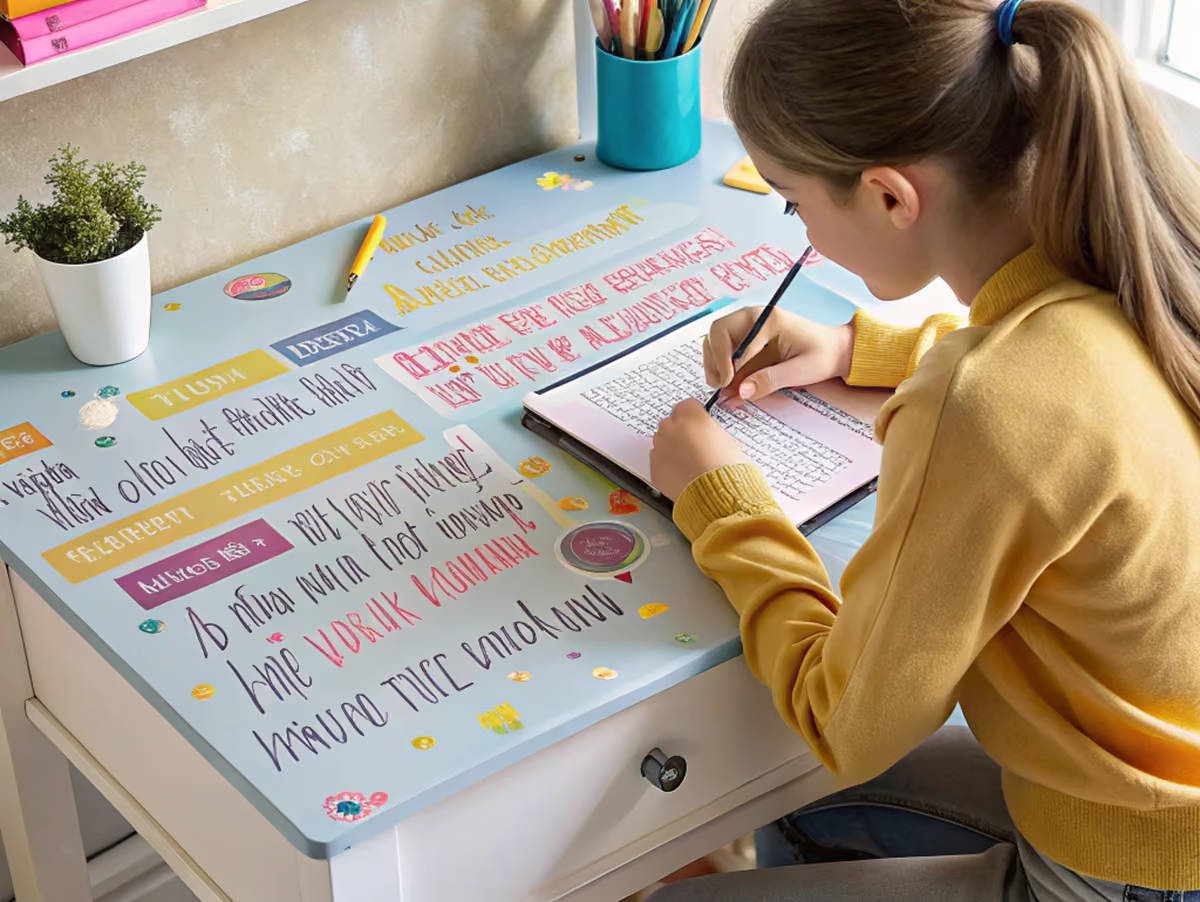



One difficult day does not automatically mean a child needs occupational therapy.
A conversation may be useful when the same activity keeps causing distress, stops the child from doing something important or places heavy pressure on family life.

Take the next step
How to get started



You can start by describing the activity, the challenge, the goal, or what you have noticed and what you hope could become more workable.

We consider service fit and current availability, then contact you or the main carer person to organise the first appointment.

Our admin team will call you to sort out paperwork and book your Initial Appointment with your matched OT, which is usually a phone call first.
Understand what the OT looks at
The child is only one part of the picture
An occupational therapist looks at how three things work together.

The child
Their strengths, interests, communication, movement, sensory preferences, ways of learning and what they want help with.
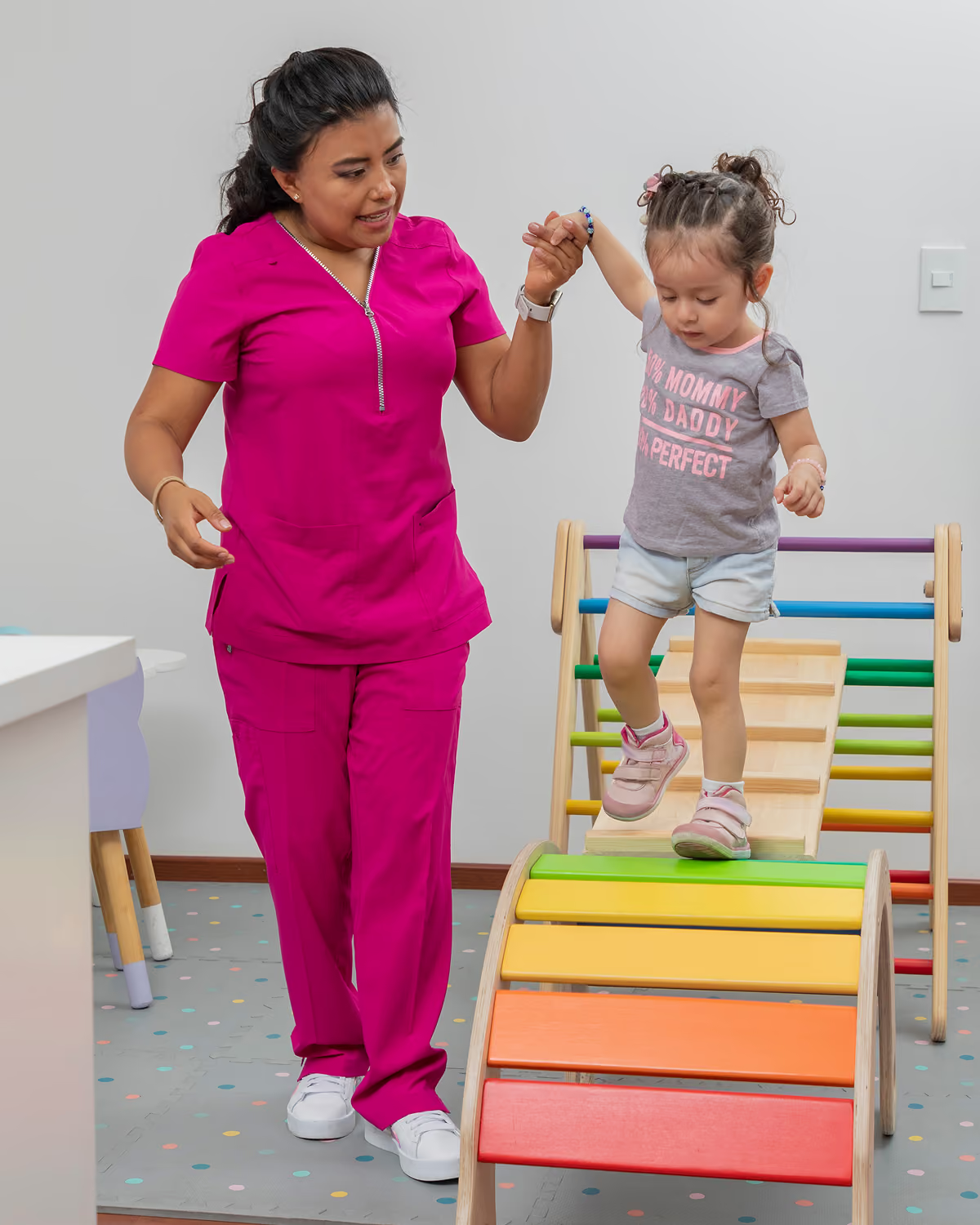
The activity
What the activity requires, which parts are difficult and which parts already work.

The environment
The people and conditions around the activity, including routines, expectations, noise, space, equipment and available support.
Sometimes support involves practising a skill. Sometimes the stronger answer is changing the task, environment or support around the child. Often, it is a combination.
Show the approach in practice
What changes when support is built around the child?

When the child communicates in their own way
We adapt how choices, instructions and feedback are offered so the child can understand and take part.

When an activity feels overwhelming or unpredictable
We look at sensory demands, timing, expectations and how the activity is organised before deciding what needs to change.

When the child wants to build a skill
We connect practice to a real activity and use steps, tools and support that are manageable for that child.

When the environment creates the barrier
We consider changes to the setup, routine, equipment or support around the child instead of placing all the work on them.
The child should be involved in goals and choices in a way that suits their age, communication and preferences. Safety and essential daily care still matter, and we work towards them respectfully with the child and family.
Choose a relevant support route
See how the services apply to your child’s everyday life










You do not need to choose a service yourself. Describe the activity and what you want help with. An OT assessment usually informs the clinical recommendation; existing plans and an appropriate handover can inform the next step when someone is transferring from another provider.